


Resorts World New York City is one of the most important gambling destinations in the state. But right now, it’s also at the center of a major dispute over casino taxes and funding for New York’s horseracing industry. The issue has become complicated enough that lawmakers in Albany had to step in — at least temporarily.
Part of the problem is the fact that Resorts World just opened the first full-fledged casino in New York City. in New York City.
The tax dispute involving Resorts World New York City is more than a paperwork issue — it affects state budgets, the future of horse racing, and the financial health of the city’s largest casino. With billions of dollars at stake over the coming years, this debate is far from over.
A temporary fix has already been agreed upon, but keep reading for a breakdown of what’s happening, why it matters, and what could come next.
How We Got Here: Casinos, Racetracks, and Racing Support Payments
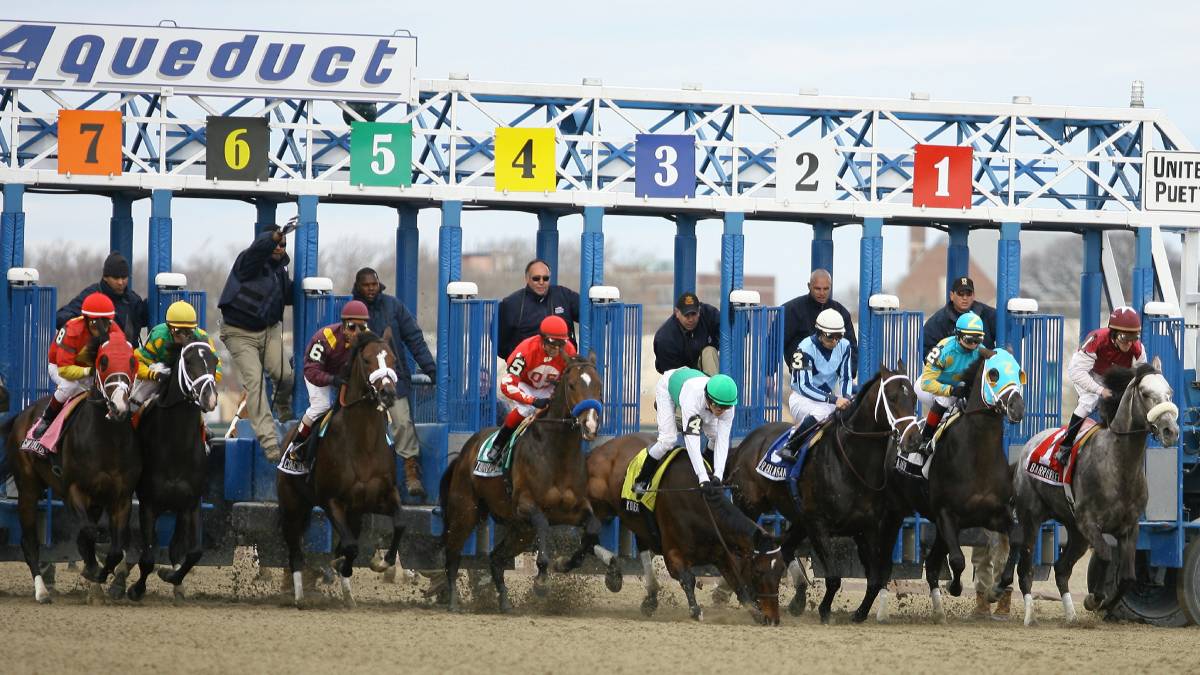
When New York expanded casino gambling after a 2013 statewide vote, lawmakers required casino operators to help support the state’s struggling horseracing industry. These racing support payments go to the New York Racing Association (NYRA), which runs major tracks like Belmont and Saratoga.
These payments aren’t new. They began back in 2001, when video lottery terminals (VLTs) were first allowed at racetracks. But the 2023 law for downstate casinos added a twist:
Operators must keep paying at least as much as racinos paid in 2019, adjusted for inflation. Today, that total is over $150 million a year.
Because the other two downstate casinos — Bally’s in the Bronx and the Metropolitan Park project in Queens — won’t open until around 2030, Resorts World New York City is currently paying the entire amount alone. Over four years, that could reach $500–600 million.

The Core Disagreement
Resorts World’s position
The company says its 56% tax rate on slot revenue already includes racing support payments.
It has been paying weekly but subtracting those payments from its tax bill — treating them as part of the 56%.
Resorts World points to its licensing bid and earlier regulator comments to support this view.
Gaming Commission’s position
The New York Gaming Commission, under Gov. Kathy Hochul, says the opposite:
Racing support payments are in addition to the 56% tax rate.
The commission’s public documents list the 56% tax as going to education and the MTA, with no mention of racing support. This disagreement has created a high-stakes conflict over how the casino’s tax obligations are supposed to work.
Albany Steps In — But Only Temporarily
State lawmakers introduced a short-term fix:
- A new bill lets the Gaming Commission send tax revenue directly to NYRA.
- It ensures racetracks don’t lose funding while the dispute continues.
- It lasts one year and does not settle the underlying disagreement.
- Gov. Hochul supports the measure, saying it protects the racing industry.
This move keeps the system running but delays a real solution.
Why This Matters for New Yorkers
Impact on the horse racing industry
- New York’s racing industry has been shrinking for years and relies heavily on subsidies.
- Losing these payments could hurt major tracks and the jobs connected to them.
Impact on state finances
- If Resorts World’s interpretation wins, more money stays with the casino — and less goes to schools and the MTA.
- If the state’s view wins, Resorts World faces much higher costs than its competitors.
Impact on Resorts World New York City
- The casino already pays one of the highest effective tax rates in the country.
- Taking on the full racing support burden until 2030 could cost hundreds of millions more than expected.

What Happens Next?
Experts say the situation is unusually confusing, given the detailed licensing process. The dispute could lead to:
- More negotiations
- Regulatory action
- Or even a legal fight.
For now, the temporary bill simply buys time.


