


Accel Entertainment is making a major move in Nevada’s growing slot machine market. The company recently announced a new agreement that will add hundreds of gaming terminals across popular convenience store locations in Southern Nevada.
This expansion highlights a larger trend: slot machine access is no longer limited to casinos. Players are now finding these games in everyday locations like grocery stores and gas stations.

Accel Adds 600 Slot Machines in Green Valley Grocery Deal
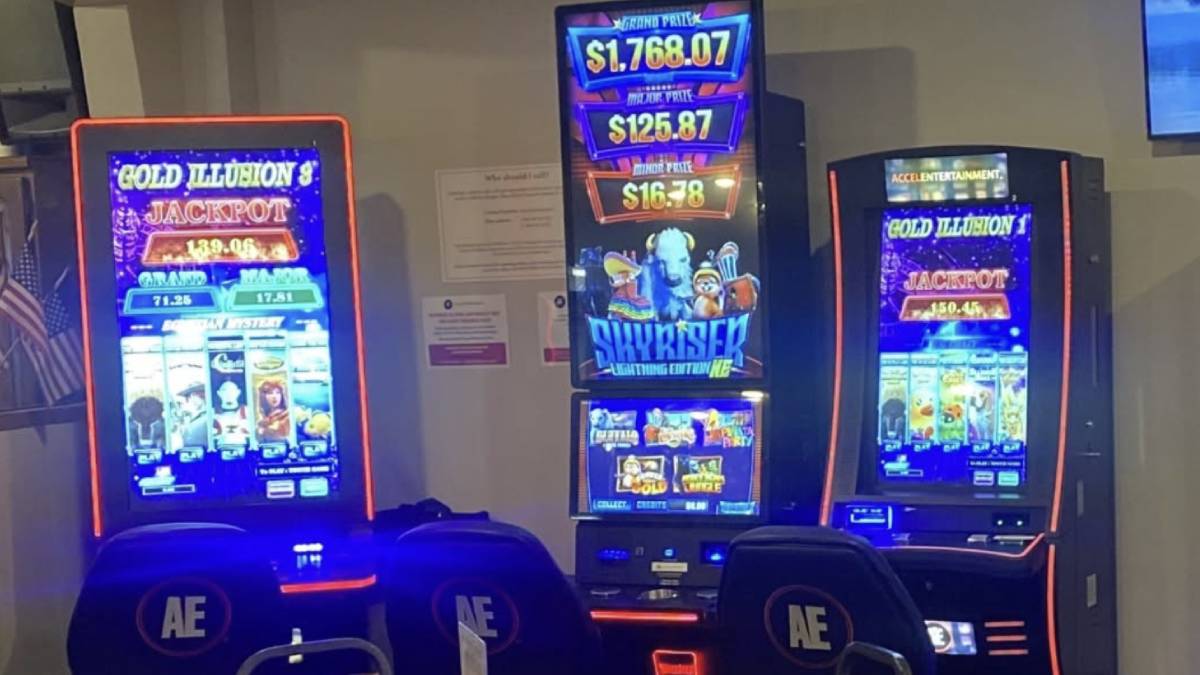
Accel Entertainment’s subsidiary, Century Gaming Technologies Nevada, has partnered with Green Valley Grocery, a well-known convenience store chain in the Las Vegas area. The deal will bring approximately 600 new gaming terminals, including digital slot machines and video poker games, to nearly 90 store locations.
Green Valley Grocery is known for its 24-hour service, fuel stations, and food options. Adding slot machine access to these locations gives customers a new form of entertainment while they shop or stop for gas.
This agreement builds on Accel’s earlier 2026 deal with Rebel Convenience Stores, which is also tied to parent company Anabi Oil. With both partnerships in place, Accel now supports all Anabi-affiliated locations in Southern Nevada.

Why This Slot Machine Expansion Matters
Accel Entertainment already operates more than 4,000 gaming terminals across Nevada. Adding 600 more machines strengthens its presence in one of the most active gaming markets in the United States.
CEO Andy Rubenstein described the move as a key step in growing the company’s Nevada footprint. By focusing on convenience stores and local venues, Accel is targeting everyday players rather than traditional casino-only traffic. “Adding approximately 600 terminals across the Green Valley Grocery locations is a meaningful step for our Nevada business," Rubenstein said. "Together with Rebel, we’re now supporting all Anabi-affiliated Southern Nevada locations, representing a concentrated, high-quality piece of our Nevada network that we intend to strategically invest in and grow.”
“When we brought Accel on as our gaming partner for Rebel earlier this year, we saw firsthand what their platform and team could deliver," said Sam Anabi, CEO of Anabi Oil. "Extending that relationship to our Green Valley Grocery locations was an easy decision."
This strategy is known as “distributed gaming.” Instead of large casino floors, slot machine access is spread across smaller, local businesses like:
- Convenience stores
- Grocery stores
- Bars and taverns
- Truck stops
For players, this means easier access to slot machine games without needing to visit a casino resort.

How Nevada Regulates Slot Machines in Stores
Nevada allows slot machines in non-casino locations through what are called “restricted licenses.” These rules are designed to keep gaming as a secondary feature of the business.
Key regulations include:
- Most locations can have up to 15 machines
- Convenience stores are typically limited to 7 machines unless approved for more
- Gaming areas must be separate from main retail space
- Players must be 21 or older
Route operators like Accel manage and service the machines while sharing revenue with the store. These operators must follow strict rules set by the Nevada Gaming Control Board and Gaming Commission.

A Growing Trend Beyond Nevada
While Nevada leads the way, it is not the only state where slot machine-style games appear in everyday retail locations.
Other examples include:
- Illinois: Video gaming terminals in grocery stores with liquor licenses
- Louisiana: Machines in convenience stores and truck stops
- West Virginia: Video lottery terminals in retail locations
- Oregon and Montana: Distributed gaming in bars and select venues
Some states also allow “skill-based” machines in gray legal areas, though these face ongoing legal challenges, like in Pennsylvania. And in Kentucky, they are referred to as "gray machines" because they fall into a gray area of regulation.
What This Means for Players and the Industry
Accel’s latest deal shows how the slot machine experience is evolving. Instead of being limited to casinos, these games are becoming part of daily life in regulated environments.
For players, this means more convenience and accessibility. For operators like Accel, it creates new growth opportunities in high-traffic local markets.
As more states explore similar models, distributed gaming could become a bigger part of the U.S. gambling landscape in the coming years.


