


Kansas’s four commercial casinos generated a combined for nearly $37 million in lottery gaming facility revenue during August (2026), according to unaudited figures reported by the Kansas Racing and Gaming Commission.
The total marked a decrease of almost 2% from August 2025, signaling a modest slowdown after a stronger July.
Despite the year-over-year decline, the August results show that the Kansas casino industry remains steady. Revenue has stayed in the mid-to-high $30 million range in recent months, reflecting the stability of the state’s mature regional gaming market.
This is all happening while lawmakers haggle over whether Kansas casinos should become smoke free. Two companion bills aimed to close an exemption under the Kansas Indoor Clean Air Act, but they saw limited progress, failed to advance past key deadlines, and ultimately died in committee.

Slots Still Drive Kansas Casino Revenue
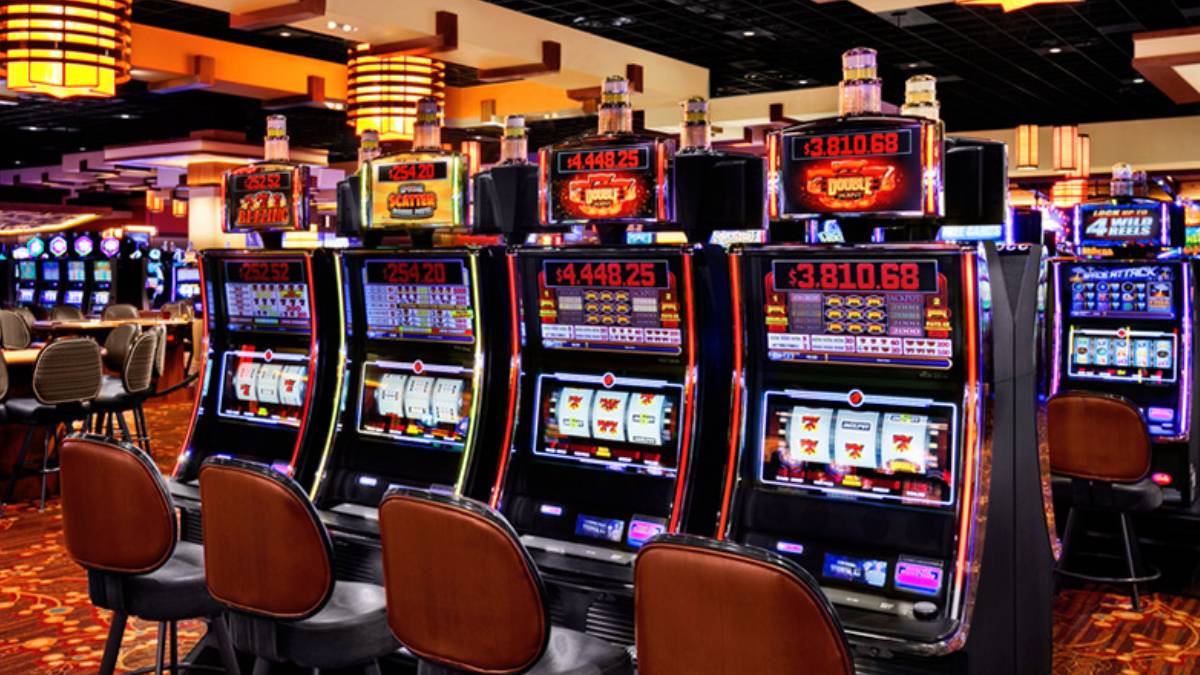
Slot machines remained the largest source of casino revenue in The Sunflower State. They generated over $32 million last month. However, that figure was down 2.7% from the same month last year.
Table games moved in the opposite direction. Revenue from games such as blackjack, roulette, and poker totaled $4.3 million, an increase of 6.2% year over year.
The split highlights a long-running trend across the Kansas casino market: slots provide the dependable foundation for gaming revenue, while table-game performance can shift more sharply from month to month.
Kansas Star Casino Holds Second Place
Kansas Star Casino reported $14.6 million in August revenue, placing it second among the state’s commercial casinos. Its total was essentially flat compared with August 2025, but the property saw a notable change in the mix of gaming revenue.
Just last year we saw a woman hit a record-breaking jackpot there.
Slot revenue at Kansas Star Casino fell nearly 4% to $12.4 million. At the same time, table games rose 27.5% to $2.2 million. That growth helped offset the weaker slot performance and allowed the casino to maintain its position near the top of the Kansas market.
Hollywood Casino at Kansas Speedway remained the state leader with nearly $15 million in monthly revenue.
The Kansas City property, operated by Penn Entertainment, was down 1.4% from roughly $15.1 million one year earlier. Slots increased slightly to $13.5 million, while table-game revenue declined a little over 15% to $1.4 million.
Smaller Casinos Report Declines
Boot Hill Casino recorded the largest percentage decline among the four properties. Its August revenue totaled $3.9 million, down 5.6% from the prior year. Slot revenue fell 8.4% to $3.4 million, although table games increased 16.3% to approximately $531,000.
Kansas Crossing Casino generated $3.3 million, a 5.3% decline year over year. Slot revenue fell 4.4% to $3.1 million, while table games dropped almost 16% to about $218,000.
Kansas has a limited commercial gaming market, with four state-authorized properties that opened between 2009 and 2017. Unlike some nearby markets, Kansas does not have online casinos, making land-based gaming the primary source of regulated casino revenue.

What the August Results Mean
August appears to be a normal monthly soft patch rather than a major change in the Kansas casino market. In July 2026, the four casinos generated $37.3 million, up 3.2% from the prior year. August 2025 also reached approximately $37.3 million.
The state receives a significant share of casino revenue, typically between 22% and 24% depending on the property. Those funds support public programs, while smaller shares help local governments and problem-gambling services.
For now, Kansas Star Casino and the state’s other gaming properties continue to show the resilience of a stable, established casino market—even when monthly revenue moves slightly lower.'


