


Ohio’s 2026 race for Ohio Governor could do more than decide who leads the state. It may also shape whether an Ohio online casino ever becomes legal.
Ohio's four casinos, seven racinos, and legal sports betting, have all become a significant source of revenue for the state. Now the debate centers around iGaming expansion — including online casino-style games, iLottery, and online horse racing bets — and whether or not to impose tighter restrictions because of concerns about addiction and other social costs.
Real money online casinos remain outside Ohio's legal framework. But sweepstakes casinos can be accessed in The Buckeye State.
Outgoing Republican Gov. Mike DeWine has said legalizing sports betting was one of his biggest regrets.
Ohio's gambling policy is now part of a bigger fight over taxes, school funding, consumer protection, and how much state leaders should trust adults to make their own choices. With the general election set for November 3, 2026, the candidates are offering very different views on what should happen next.

What Ohio Governor Candidates Say
According to cleveland.com, the positions on legalizing online casinos in Ohio vary slightly. Here's where the Ohio gubernatorial candidates stand:
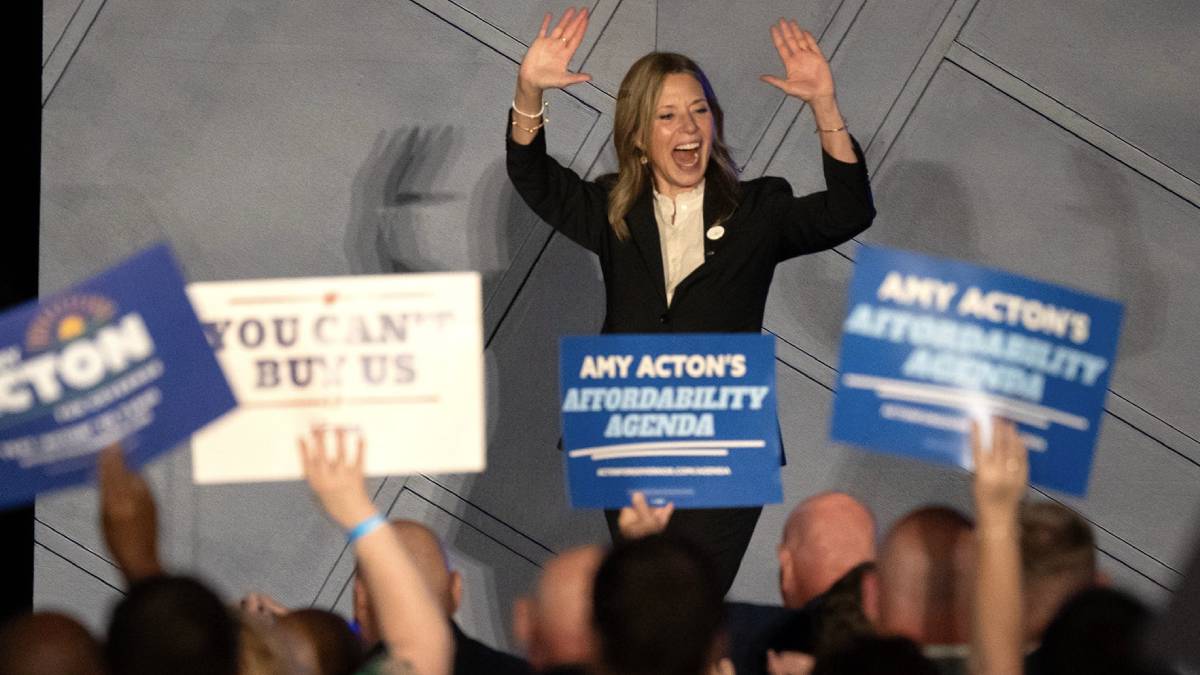
Democrat Amy Acton: Supports expanding iGaming in a careful way. Her campaign says she is open to legalizing more forms of online gambling, such as online casino-style games and card games, to bring in revenue for priorities like public schools, childcare subsidies, and property-tax relief.
She also backs some limits on “microprop” bets, but she does not want broader bans on prop betting or a change to Ohio’s current 20 percent sports-betting tax rate.
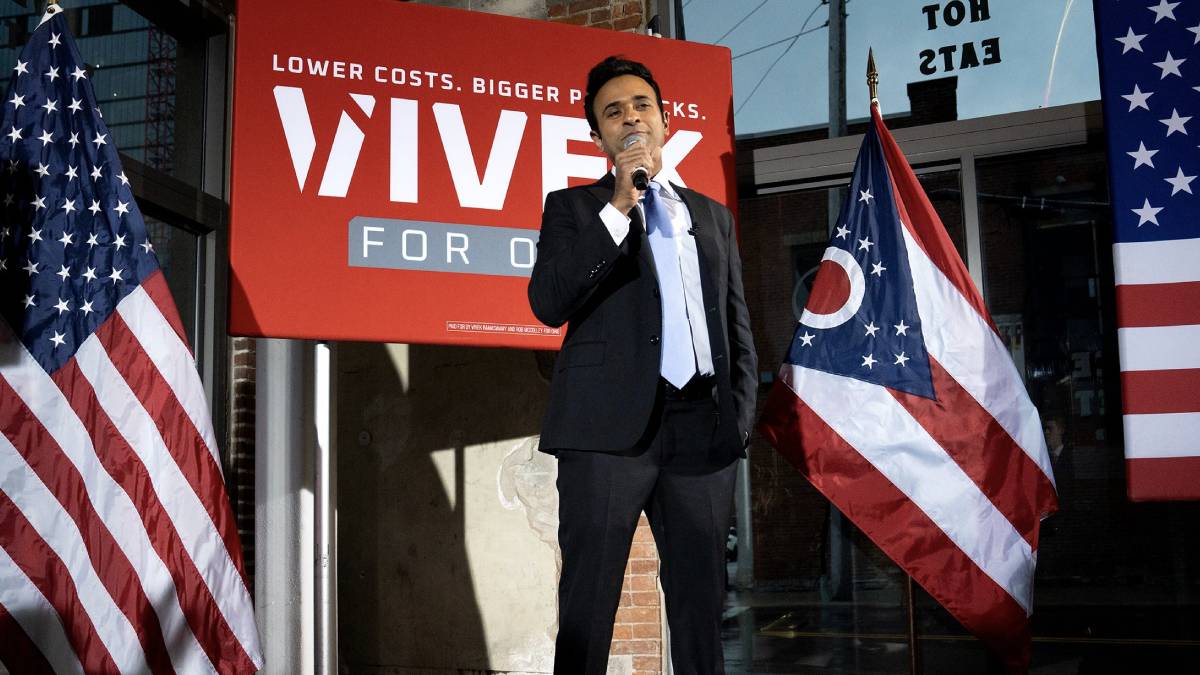
Republican Vivek Ramaswamy: He has not clearly laid out a position on online gambling expansion, sports-betting restrictions, or new consumer safeguards.
That leaves voters without much detail on where the Republican nominee stands on a topic that could matter a lot to the state’s budget and gaming industry. He does want to cut property taxes and eliminate the state income tax.
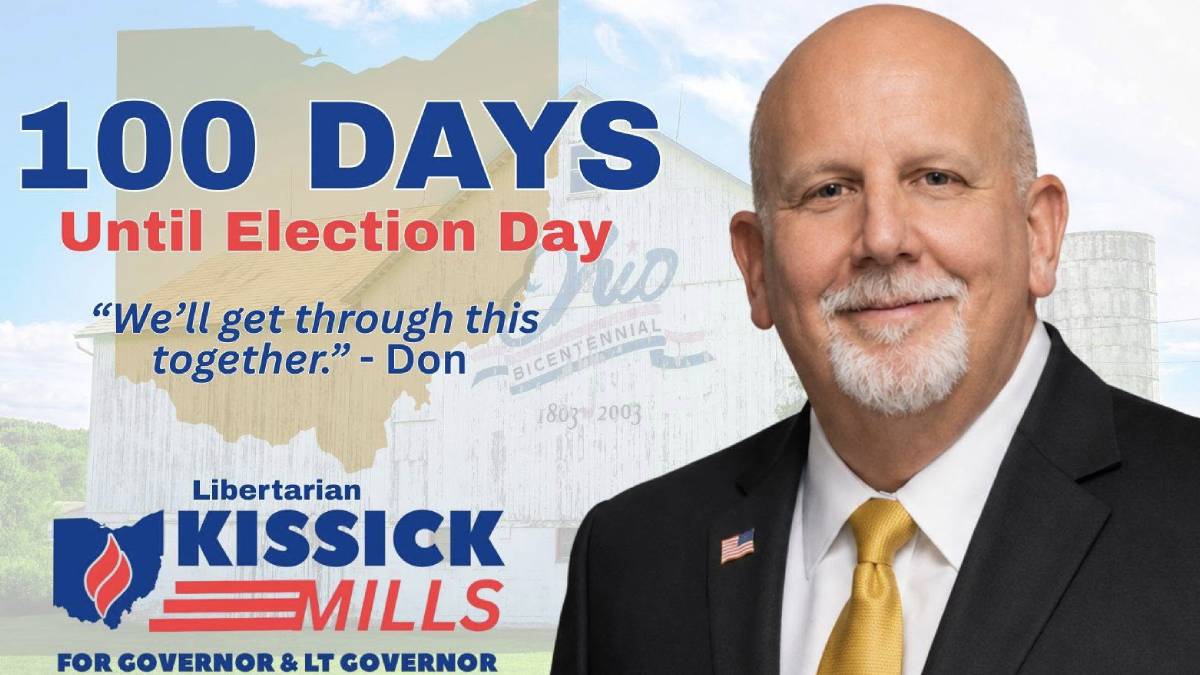
Libertarian Don Kissick: He also supports expanding online gambling, but for a different reason.
His view is that prohibition does not work, and that legalizing more gambling would move activity into regulated channels, reduce fraud, and weaken underground markets. He also opposes changing the current sports-betting rules because he says that would only make compliance harder.
Why This Matters to Ohio Online Casino Games
Ohio already has four casinos, seven racinos, and legal sports betting, which means gambling is already a major part of the state’s entertainment and tax-revenue picture. Supporters of an Ohio online casino say the state could use more of that demand to raise money for schools and tax relief instead of sending it to other states or unregulated operators.
Opponents worry about the other side of the ledger. Former Gov. Mike DeWine has called legal sports betting one of his biggest regrets, and critics say more online gambling could increase addiction, credit problems, and other social costs.
Ohio’s own problem-gambling survey found that about 254,000 adults in the state were estimated to have a gambling disorder, with about 1.8 million more at some risk.

Ohio Safeguards Already Exist
Ohio does have a problem-gambling framework in place. The state’s responsible-gambling system includes the Ohio Lottery Commission, Ohio Casino Control Commission,Ohio State Racing Commission, and the Ohio Department of Behavioral Health, along with helplines, self-exclusion programs, prevention campaigns, and treatment services.
Action Network also provides a number of responsible gambling resources that people can turn to, but there are other options.
For people who want help, Ohio offers the Problem Gambling Helpline at 1-800-589-9966, plus the national 1-800-GAMBLER line. The state also runs Time Out Ohio, a voluntary self-exclusion program that can block access to casinos, racinos, and sports gaming for one year, five years, or life.
Still, some watchdogs say Ohio’s protections are not strong enough. One recent assessment gave the state’s online gambling and consumer safeguards a D-minus, arguing that more limits on advertising, stronger age checks, and better deposit controls could help.

What Voters Should Watch
If the next Ohio Governor supports an online casino expansion, the biggest questions will be about tax rates, licensing rules, advertising limits, and how much money goes back into prevention and treatment. If the next governor takes a more cautious approach, online casino legalization could slow down or stall entirely.
That makes gambling policy more than a side issue. In a close race, it could become one more test of which candidate voters trust to balance personal freedom, public revenue, and consumer protection.


