


The decision to award Las Vegas Super Bowl LXIII at Allegiant Stadium in 2029 is largely seen as a strategic move to bolster the city's tourism industry.
Las Vegas experienced a significant drop in tourism in 2025, and hosting such a high-profile event is expected to bring substantial economic benefits. However, it's important to note that this decision is not solely a response to the downturn.
It follows the successful hosting of Super Bowl LVIII in 2024, which showcased Las Vegas's capacity to handle major events and deliver positive outcomes. And call it what you want, but it will be added to the list of other strategies used to curb the decline in Las Vegas tourism.

Las Vegas Tourism Decline in 2025
Las Vegas saw a sharp drop in visitors in 2025:
- Approximately 38.5 million visitors, down 7.5% from 2024 (a loss of about 3.1 million people).
- This marked the steepest annual decline outside the COVID-19 pandemic since records began in 1970.
- Hotel metrics suffered: occupancy fell ~3%, average daily rates dropped ~5%, and revenue per available room (RevPAR) declined ~8-9%.
- Monthly declines persisted for much of the year, with double-digit drops in some months.
The number of travelers passing through Harry Reid International Airport has also been down.
Contributing factors included:
- Higher resort prices and perceived reduced value.
- Economic uncertainty and softening consumer spending, particularly among mid- and lower-income travelers and younger visitors (20s).
- Declines in international visitation (e.g., fewer Canadians and others).
- Competition from online gambling.
- Broader U.S. travel trends and external events like wildfires.
The Super Bowl's Impact on Las Vegas in 2024
- It drew an estimated 330,000 visitors specifically tied to the game.
- Generated over $1 billion in total economic impact, with visitor spending alone around $600–877 million.
- Filled hundreds of thousands of hotel room nights and set airport records.
- Attendees spent roughly double what a typical Las Vegas visitor does.
NFL owners unanimously approved the 2029 return shortly after reports of exclusive negotiations, citing the strong performance of the 2024 game.
Raiders owner Mark Davis and NFL Commissioner Roger Goodell highlighted Las Vegas as a premier sports and entertainment destination. Local tourism and business leaders expressed optimism that it would deliver another major influx, helping offset softer periods and supporting small businesses, nonprofits, and the broader economy.
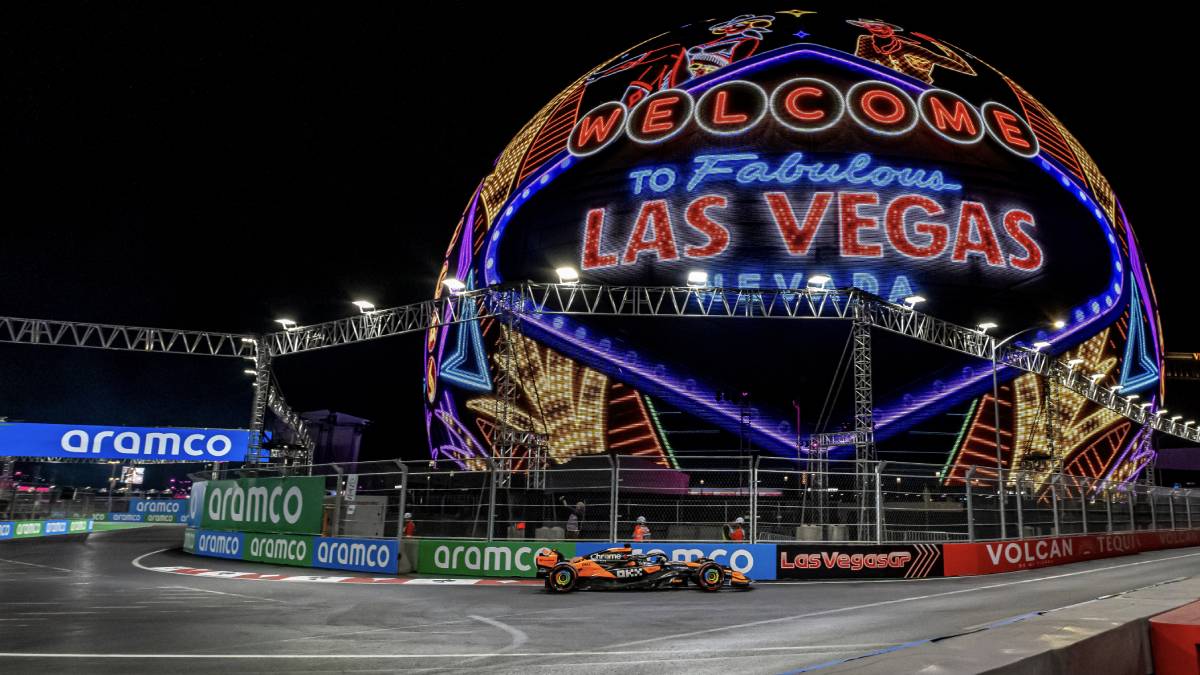
When compared to the annual F1 event in Las Vegas, the Super Bowl is a rarer, broader-appeal cultural phenomenon with explosive short-term impact, while Formula 1 offers glamorous, recurring high-end tourism infusion tailored to the Strip's energy.
Both deliver comparable billion-dollar-scale benefits and help combat tourism softness by drawing premium crowds—making Las Vegas stronger as a year-round events destination.
Is This Primarily an Effort to "End" the Las Vegas Tourism Decline?
- The NFL's decision process emphasizes stadium readiness, market appeal, owner votes, and logistical success (Las Vegas proved it could handle the event well in 2024).
- Super Bowls are awarded years in advance; this wasn't a sudden emergency response but a repeat booking based on demonstrated capability.
- One mega-event, even a successful one, won't "end" structural challenges like affordability, shifting visitor demographics, or macroeconomic pressures. Las Vegas is already planning a rebound in 2026 through its events calendar, and those who visited in 2025 often spent more despite lower overall numbers.
In short, the award is a strategic tourism booster that capitalizes on prior success and will likely deliver a sizable short-term lift (similar to 2024).
The NFL's choice reflects confidence in Las Vegas as an excellent venue for large-scale events and capitalizes on the economic value the Super Bowl typically brings to host cities. As such, Super Bowl LXIII is anticipated to draw significant crowds and provide a major boost to the local economy through increased tourism, hospitality, and related industries.


