


They say "New Year, New You." But not in Sin City.
As 2026 slowly unfolds, Las Vegas continues to face a significant tourism decline.
Data from Harry Reid International Airport (LAS) for January highlights a marked downturn in passenger numbers, underscoring the ongoing challenges for the city's tourism sector.
A total of 4,021,130 passengers passed through Las Vegas's airport during the first month of the year. While this number might initially seem large, it represents a 7.9% decrease compared to January 2025, which recorded 4,365,745 travelers.
This decline of nearly 350,000 passengers showcases a softening interest in visiting Las Vegas and points to a broader tourism decline. It also supports the findings of an analyst who said 2025's decrease was far from over. Still another report predicted a big rebound in the new year.
Breakdown of Domestic and International Travel
The downturn in passenger traffic is evident in both domestic and international categories.
Domestic travel, with 3,684,533 passengers, declined by almost 7% year over year. However, the more drastic change appeared in international travel, with passenger numbers plunging by more than 19%. From 336,734 international travelers in January 2025, the count dropped to just 272,145 in January 2026.
A significant portion of this decline is attributed to reduced traffic from Canada, where WestJet and Air Canada reported declines of 28% and 34%, respectively, highlighting a key factor in the Las Vegas tourism decline.
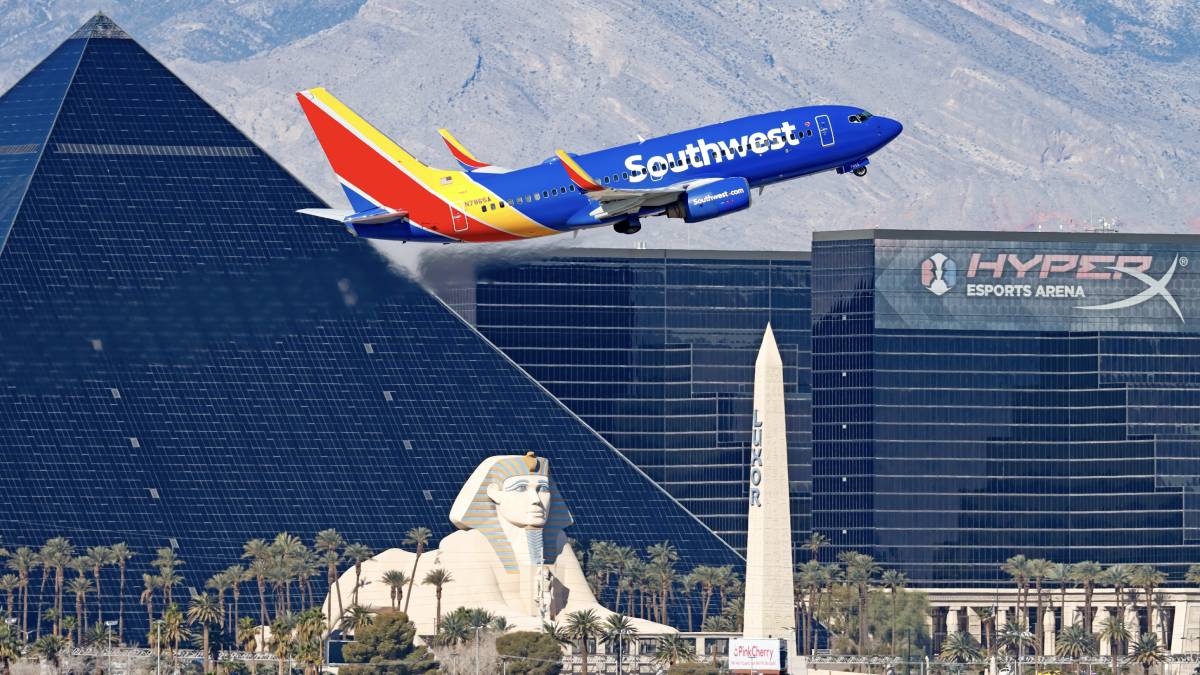
Causes Behind Sinking Sin City Tourism Numbers
Several factors are contributing to this decline in tourism.
Economically, there's been a tightening in consumer spending, affecting travel decisions. Additionally, reductions in airline capacity have led to about 7% fewer seats scheduled into Las Vegas in early 2026. International travel has also been affected by trade tensions and policy changes, particularly for Canadian visitors, contributing to the broader decline in Las Vegas tourism.
This trend isn't entirely new. By the end of 2025, the airport reported nearly 55 million passengers—the third-highest on record but still down about 6% from 2024. This continuous decline signals ongoing challenges for Las Vegas, a city heavily reliant on tourism.

Broader Economic Impact of the Tourism Decline
For Las Vegas, these declines are critical, as the city thrives on its tourism economy. Upcoming reports from the Nevada Gaming Control Board and the Las Vegas Convention and Visitors Authority will provide further insight into the economic impact, especially on gaming revenues and hotel occupancy rates.
In 2025, Las Vegas experienced a 7.5% overall drop in visitor numbers, totaling about 38.5 million—the steepest non-pandemic decline since tracking began in 1970. Leisure travel seems particularly affected, suggesting that shifting consumer habits and priorities are contributing to the decline in Las Vegas tourism.

Future Prospects: Addressing the Las Vegas Tourism Decline
Despite these challenges, there is some optimism for later in 2026.
Las Vegas is set to host major events like conventions, WrestleMania, the Las Vegas Grand Prix, and World Cup-related activities, which could offer a much-needed boost to tourism. However, early signs indicate that the city will continue to face substantial headwinds as it seeks to overcome the decline in Las Vegas tourism.

The performance of Harry Reid International Airport serves as a vital barometer for the city’s overall health. As passenger traffic closely aligns with visitor trends, addressing the early-year decline will be crucial for the economic vitality of Las Vegas.
The city must adapt to the evolving economic landscape to combat the tourism decline and sustain its allure as a top travel destination.


