


Utah’s fight over prediction markets has moved beyond civil lawsuits and regulatory warnings. State prosecutors filed 14 criminal charges against Kalshi and its two co-founders, accusing them of promoting illegal online gambling.
The case adds a new layer to the debate over Utah prediction markets: Can a federally regulated exchange offer event contracts in a state that bans gambling?
Soon after the charges were filed, several competing platforms restricted or stopped trading in Utah. Those changes show how the legal conflict is affecting access to prediction markets before the courts reach a final answer.
What Charges Did Utah File Against Kalshi?
Utah Attorney General Derek Brown’s office charged KalshiEX LLC, CEO Tarek Mansour, and COO Luana Lopes Lara with:
- One count of pattern of unlawful activity, a second-degree felony.
- Twelve counts of online gambling promotion, each a third-degree felony tied to an individual wager.
- One count of general gambling promotion, a class A misdemeanor.
These are allegations, not convictions. Kalshi has said it intends to fight the charges, and the criminal case remains ongoing.
Authorities reportedly issued summonses rather than making arrests.
Undercover Sports Trades Are Central to the Case
According to the prosecution’s account, an undercover Utah State Bureau of Investigation agent opened a Kalshi account using a Utah address, phone number, and bank account.
The agent then placed about a dozen sports wagers totaling roughly $115 in September 2026. The events included NFL and MLB games, college football—including Utah versus Utah State—and soccer involving Real Salt Lake.
Prosecutors allege that Kalshi accepted the wagers and collected fees despite a federal court ruling that allowed Utah to enforce its anti-gambling laws against the company.
That is central to the state’s argument. Utah says these transactions violated its gambling restrictions, regardless of how the platform described them.

Why the Utah Prediction Markets Lawsuit Means So Much
The broader prediction markets lawsuit fight centers on a dispute over legal authority.
Prediction-market platforms offer contracts tied to the outcomes of future events. The conflict in Utah concerns whether federal oversight of those contracts prevents the state from applying its gambling laws.
Utah has strict constitutional and statutory gambling restrictions. State officials argue that federal regulation does not place the challenged activity beyond their enforcement powers.
The opposing position is that federal law controls the regulation of covered event contracts and limits state interference. This issue is often called “federal preemption”—meaning federal law can displace state law in a particular area.
The criminal prosecution is separate from, but connected to, that larger legal battle. The charges followed litigation by the Commodity Futures Trading Commission and related parties seeking to block Utah’s enforcement efforts. Utah had also pursued civil action against Kalshi.
A key distinction matters here: A criminal prosecution and a civil lawsuit are different proceedings. Both, however, can turn on overlapping questions about which laws apply.
How Kalshi Responded
Kalshi called the criminal charges “a crazy overreach” and said “Utah is clearly playing politics.”
The company said it would contest the case, as it had fought earlier misdemeanor charges in Arizona.
For Kalshi, the dispute concerns the reach of state enforcement against a federally regulated exchange. For Utah prosecutors, it concerns whether the company’s activities broke state gambling laws.
Neither position should be mistaken for a final court ruling on the pending charges.

How Other Utah Prediction Markets Responded
Several operators changed their Utah offerings in the days after the charges. The restrictions were not identical.
DraftKings Predictions Restricted Event Categories
DraftKings notified customers physically located in Utah that sports, novelty, political, and certain other event contracts were no longer available on the DraftKings Predicts app.
Financial contracts tied to areas such as stocks, commodities, and cryptocurrency remained available. The company said existing positions would settle normally.
FanDuel Predicts Made Similar Changes
Around October 30, FanDuel Predicts restricted sports, political, and novelty contracts in Utah while continuing to offer economic and financial contracts.
Fanatics Markets Stopped All Trading
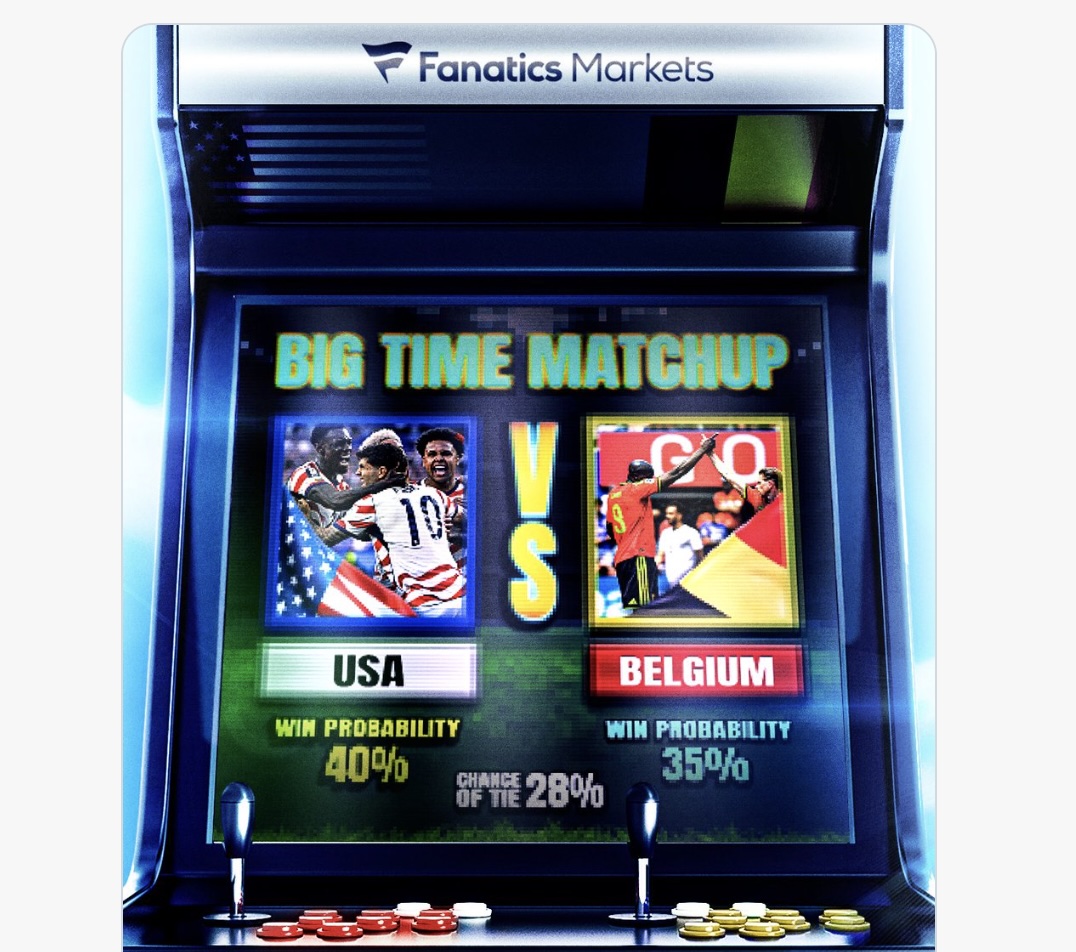
Fanatics took a broader step, stopping all trading on Fanatics Markets in Utah on November 4.
Robinhood and PrizePicks have also withdrawn or restricted certain event contracts, although the extent of the measures varies between operators. These responses show that operators are drawing different boundaries while facing the same uncertain legal environment. Restricting a product, however, does not by itself establish that the product was unlawful.
What the Dispute Means for Utah Users
The immediate effect is reduced access, but the details depend on the platform.
Some services have removed selected event categories while leaving financial contracts available. Another has stopped trading entirely. Users should also distinguish between opening new positions and the treatment of contracts they already hold.
DraftKings, for example, said its open positions would settle normally. That statement should not be assumed to describe every operator’s policy.

What Comes Next?
The next stages of the criminal case and related federal litigation could help clarify whether—and how—Utah can enforce its gambling laws against prediction-market exchanges.
The personal charges against Kalshi’s executives make this an escalation beyond a dispute focused only on corporate restrictions or civil remedies.
For now, the Utah prediction markets conflict has produced immediate business changes without resolving the underlying legal question. The courts still must address the pending claims, while operators decide how much activity they are willing to offer in the state.


