


This isn't your typical sports betting forum.
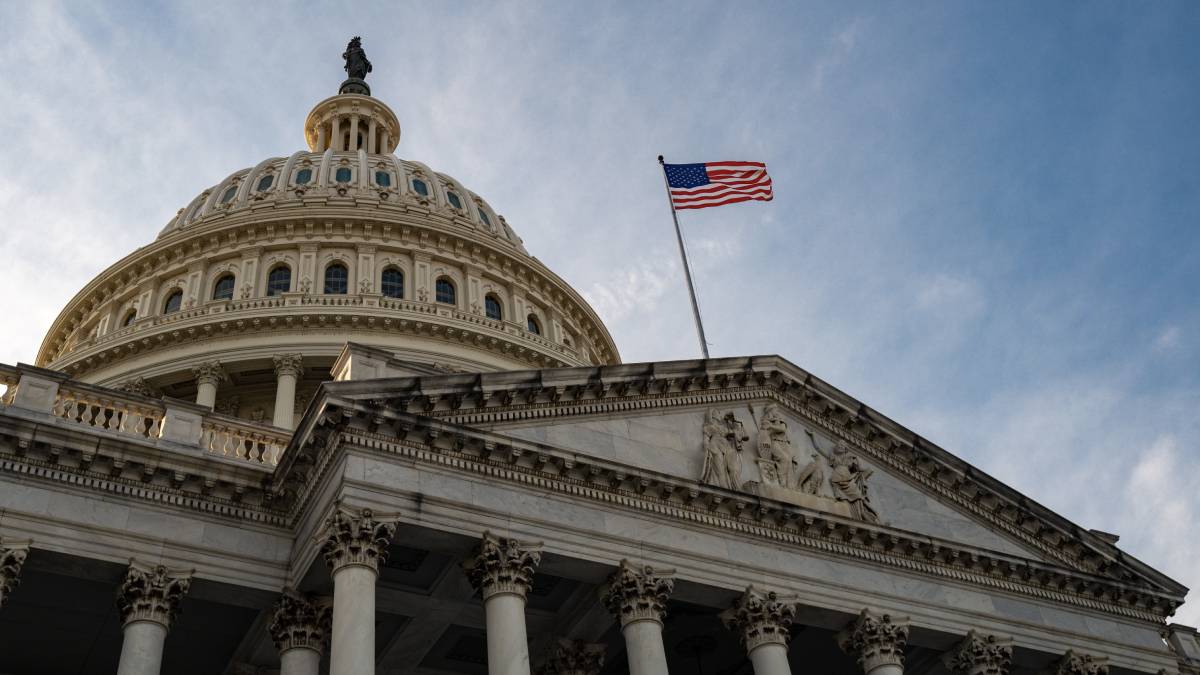
A congressional hearing titled “The Rise of Sports Gambling on College Campuses.” The House Subcommittee on Higher Education and Workforce Development will hold the hearing on November 11, 2026, at the Rayburn House Office Building in Washington, D.C. Rep. Burgess Owens, R-Utah, chairs the subcommittee. The hearing is open to the press and will be livestreamed on the Committee on Education and the Workforce’s YouTube page.
College sports betting raises questions that reach far beyond the final score. The upcoming hearing will put those concerns in focus, including:
- What happens when students lose money they cannot afford to spend?
- How should colleges respond when athletes face threats from angry bettors?
- Where should lawmakers draw the line between legal wagering and player protection?
If you follow college athletics or participate in sports betting forums, the hearing offers a reason to look beyond odds and predictions. The larger issue is how to protect students and athletes as sports gambling becomes part of the college sports landscape.

Why Congress Is Examining College Sports Gambling
The current debate grew out of a major legal change. In 2018, the Supreme Court’s decision in Murphy v. NCAA struck down the federal law that prevented states from authorizing sports betting. The ruling opened the door for states to create their own legal betting systems; it did not make every form of sports gambling legal nationwide.
Now, congressional attention is turning to the effects on college campuses. The scheduled hearing places those concerns before the House panel responsible for higher education policy.
The distinction matters. A debate about college sports gambling is not only a debate about the betting industry. It is also a discussion about the environment in which students study, compete, and build their futures.
Useful questions include:
- How can schools teach students about gambling risks without treating betting as a normal part of campus life?
- What support should be available when a student’s gambling becomes a financial or personal problem?
- How should colleges respond to betting-related threats against athletes?
- Which responsibilities belong to schools, sportsbooks, regulators, and lawmakers?
These are questions to watch—not conclusions that the hearing has already reached.
Why Individual Player Prop Bets Draw Attention
One part of the policy debate centers on prop bets. These wagers focus on a specific action or performance rather than simply which team wins. In college sports, that might mean betting on how many points a particular athlete scores.
That structure puts the spotlight on an individual player. A bettor can lose money even when the athlete’s team wins, creating a separate source of frustration directed at that player. There's a big court case happening right now involving two former MLB pitchers and prop bets.
Rep. Michael Baumgartner, R-Washington, has introduced the PROTECT Student Athletes Act, H.R. 1552, to address individual-performance wagers. The proposal would prohibit betting businesses from accepting covered prop bets involving student-athletes. It would not impose a blanket ban on wagers involving college games.
The proposal also connects violations to the Federal Trade Commission Act’s rules against unfair or deceptive practices. It remains a legislative proposal, not a restriction created by the upcoming hearing.
That difference is important for anyone discussing potential betting changes: a hearing, an introduced bill, and an enforceable law are three different things.
Athlete Harassment Is More Than a Heated Fan Reaction
Criticism of a missed shot is one thing. Threatening an athlete over a lost wager is another.
The NCAA has joined the Bad Actor Program, an initiative established by IC360 and Signify Group. The program monitors and investigates abusive online behavior and shares information that participating betting platforms can use when deciding whether to restrict or ban customers.
The program does not automatically remove an individual from every sportsbook. Its reach depends on participating operators and the actions they take.
That limitation highlights a broader challenge: protecting athletes requires more than identifying a harmful message. It also requires a process for investigating the conduct and deciding what consequences should follow.
For a sports betting forum, the practical lesson is straightforward. Discussion about a player’s performance should never become an excuse for threats, targeted abuse, or attempts to contact that athlete over a losing bet.
What a Responsible Sports Betting Forum Can Contribute
A sports betting forum can approach this hearing as more than another argument over whether gambling is good or bad. It can help readers separate policy proposals from current rules and distinguish healthy debate from harmful behavior.
A responsible gambling discussion should follow several principles:
- Keep legal claims specific. Explain whether a post concerns a state rule, a federal proposal, or a sportsbook policy.
- Label opinion clearly. Predictions about future restrictions should not appear as confirmed news.
- Reject athlete harassment. Losing a wager does not justify threats or personal attacks.
- Avoid promises of guaranteed profit. Betting discussions should not present uncertain outcomes as sure things.
- Keep student welfare in view. The conversation should include the people affected by betting, not just the markets built around them.
- These are suggested community standards, not requirements announced for the hearing.
They also provide a more useful foundation for discussion than posts focused only on winning picks. A forum can examine how a betting market works while still questioning whether that market creates avoidable risks for college athletes.

What to Watch During the Hearing
The committee’s announcement identifies this event as a subcommittee hearing. It is not, by itself, a vote to pass a new sports gambling law.
As the discussion unfolds, several questions deserve attention:
- Will witnesses distinguish between general sports betting and wagers on individual college athletes?
- Will proposed solutions focus on prevention, treatment, enforcement, or a combination of those approaches?
- How will speakers divide responsibility among colleges, betting operators, and regulators?
- Will lawmakers identify specific next steps, or primarily gather information for future action?
The college sports gambling debate is ultimately about boundaries: what betting businesses should offer, what schools should do, and what behavior athletes should never have to accept.
The November 11 hearing gives lawmakers a public setting to examine those questions. For a sports betting forum, it offers an opportunity to build a better conversation—one that addresses policy, personal responsibility, and student welfare alongside the games themselves.


