


The Ohio Casino Control Commission is expanding its crackdown on prediction markets that offer sports-event contracts to residents in The Buckey State. Its latest warning reaches beyond the platforms themselves to the licensed businesses that help them operate.
The commission has notified sports betting and fantasy contest licensees—and businesses applying for those licenses—that supporting unlicensed sports-event contracts could threaten their standing in Ohio.
The message is clear: Businesses may face scrutiny not only for taking bets, but also for supplying technology, data, or other services that make those transactions possible. This news is breaking in the wake of The Commodity Futures Trading Commission's swap proposal.

What Ohio’s Latest Prediction Markets Warning Covers
At the commission’s meeting, Interim Executive Director Andromeda Morrison confirmed that notices had been sent to licensees and applicants.
The notices reportedly raise concerns about businesses providing services to prediction market platforms offering sports-event contracts without Ohio authorization. Those services include:
Liquidity and market making, which help keep contracts available for trading.
- Integrity monitoring.
- Equipment and technical infrastructure.
- Data security and other technology services.
- Recipients were directed to confirm compliance by October 30, 2026.
For licensed businesses, the issue goes beyond a single contract or partnership. The commission says these relationships can affect whether a company remains suitable to hold an Ohio gaming license.
Why Gaming Licenses Could Be at Risk
Suitability is the commission’s assessment of whether a business or individual meets the standards required to participate in Ohio’s regulated gaming industry.
The latest notice connects support for unlicensed sports gaming with questions about character, honesty, integrity, and reputation. It also argues that such relationships can weaken public confidence in the legal market.
Potential consequences described in the supplied reporting include renewed suitability investigations, license suspension, or license revocation.
That puts suppliers and service providers in a difficult position. A company does not necessarily have to operate a prediction market itself to draw regulatory attention. Its work for another business could become the focus of an investigation.
How Ohio’s Dispute With Prediction Markets Developed
The latest warning follows earlier efforts to restrict sports-event contracts in the state.
August 2025: Warning About Business Relationships
The commission issued guidance warning licensees that relationships with businesses offering unlicensed sports gaming in Ohio could create suitability concerns.
That guidance established the position behind the current action: Ohio’s licensing standards can extend to the companies a licensee chooses to support.
September 2026: A Reported Court Victory
A Sixth Circuit Court of Appeals ruling rejected the argument that federal commodities regulation prevented Ohio from applying its gambling laws to the sports-event contracts at issue.
The distinction matters because the dispute concerns who can regulate these products. The platforms’ federal-regulation argument and Ohio’s state-gambling-law position lead to very different licensing requirements.
The precise reach of the ruling should be checked against the court’s opinion before drawing broader conclusions about prediction markets nationwide.
October 2026: Orders to Platforms and Brokers
Following that reported ruling, the commission sent cease-and-desist orders to 10 operators and brokers:
- Coinbase
- Gemini Titan
- Moomoo Financial
- Novig
- Plus500US
- Polymarket
- Prophet X
- Robinhood Derivatives
- Underdog Predict
- Webull Financial
The supplied reporting says those businesses were given until approximately October 16 to confirm they had stopped offering or facilitating the sports-event contracts in Ohio.
Kalshi was not included in that round because it was already involved in separate litigation and enforcement proceedings with the state.
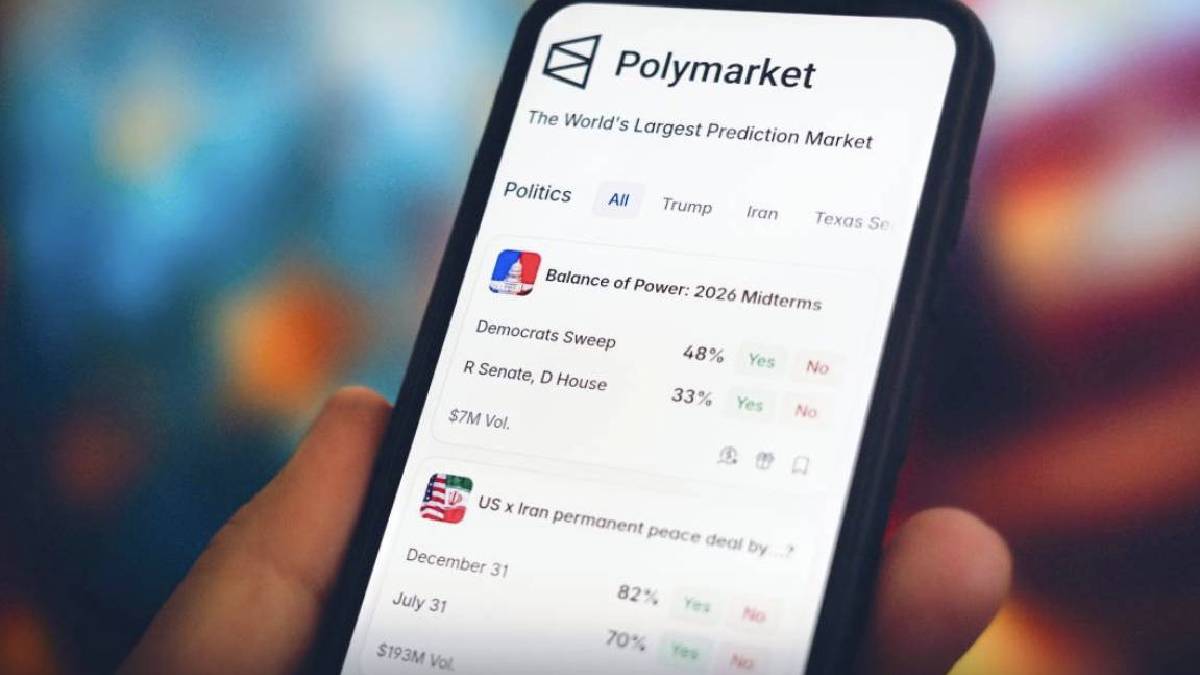
Why Ohio Treats Sports-Event Contracts as Gambling
Ohio’s position centers on what the contracts allow customers to do: risk money on the outcome of sporting events.
The commission views the sports-event contracts at issue as unlicensed sports gaming, rather than products exempt from state gambling requirements simply because they operate through a prediction market.
Ohio also points to the safeguards required of licensed operators, including consumer protection, fairness, and sports integrity. Its concern is that residents could access sports wagering outside that state-supervised system.
This dispute focuses on sports-event contracts. It should not be read as a blanket statement that every type of prediction market contract has the same legal status.

What the Warning Means for Gaming Businesses
The latest action broadens Ohio’s enforcement strategy. Rather than focusing only on platforms serving customers, the commission is also examining the network of companies supporting those platforms.
The supplied account describes a limited exception for certain futures commission merchants or introducing brokers handling orders for federally regulated exchanges in a compliant manner. Businesses should not assume that exception covers every service or relationship.
For Ohio licensees and applicants, the immediate question is whether their partnerships fall within the notice’s scope. For prediction markets, the larger issue is access to the technology, services, and trading support their sports offerings depend on.
Ohio is using its licensing authority to put pressure on both sides of those relationships—making this dispute about more than whether an individual platform can continue accepting trades.


